The Complete Guide to 3PL Cold Storage for Scaling Food Brands
Evaluating 3PL Cold Storage Partners for Cold Food Distribution
Food is not just freight. Moving an engine block or a pallet of electronics across the country requires logistical coordination, but moving fresh produce, dairy, and temperature-sensitive goods requires something far more rigorous. It requires an unbroken chain of care, precision, and trust. Every handoff, every mile, and every hour spent in a refrigerated warehouse directly impacts the quality of the food that eventually reaches a family’s table, a student’s lunch tray, or a restaurant’s dining room.
Evaluating and choosing a 3PL cold storage and refrigerated warehouse partner is one of the most critical decisions a business can make. The United States cold storage network is vast, complex, and filled with moving parts. For local agricultural producers, multi-unit restaurant chains, schools, and government agencies, finding a logistics provider that understands the fundamental realities of cold food distribution is essential.
You do not just need a vendor; you need a partner who shares an in-this-together mentality. At Foster, we believe in a straightforward philosophy: People. Food. Together. From the first mile to the last, we’ve got the middle. Drawing on over 120 years of heritage in the food supply chain, we have built a one-stop refrigerated supply chain solution designed to give growers, foodservice operators, and institutions complete confidence in their distribution network.
The Realities of Cold Food Distribution Today
The modern food supply chain is highly demanding. Fresh produce delivery, dairy distribution, and the movement of specialty foods require an environment where temperature control is absolute and inventory management is precise. When a multi-unit fast-casual restaurant chain places an order, or a regional school district relies on weekly deliveries, there is no margin for error. Delays, temperature fluctuations, and cross-contamination are not just logistical hiccups—they result in wasted product, lost revenue, and compromised safety.
A third-party logistics provider (3PL) in the cold chain sector must do more than just store pallets and load trucks. They must actively manage the integrity of the product. The United States cold storage landscape has evolved from simple icehouses to highly sophisticated, data-driven facilities. However, technology alone is not enough. The best logistics solutions combine state-of-the-art infrastructure with deep industry expertise and a commitment to the people behind the food.
For businesses navigating this landscape, the evaluation process should center on integration, capability, and transparency. You must look at how a potential 3PL handles every stage of the journey—from warehouse management and commodity mapping to refrigerated freight and final delivery.
Moving Beyond Vendors: The Power of Vertically Integrated Logistics
Historically, many businesses have had to piece together their cold food distribution networks. We do not work for, we work with. That partnership mentality is why a vertically integrated approach fundamentally changes the reliability of your supply chain. By bringing distribution, freight, cold storage, and supply chain solutions under one roof, you eliminate the blind spots and operational friction that plague traditional logistics models.
Foster360: A Unified Supply Chain Solution
When you evaluate a 3PL, consider how seamlessly their services connect. Foster360 is our comprehensive approach to the food supply chain. It encompasses warehouse management, freight optimization, detailed inventory management, and commodity mapping. Because these services are unified, data flows smoothly from the moment fresh produce arrives at the loading dock until it is delivered to its final destination.
This vertical integration allows for end-to-end visibility. If there is a shift in a restaurant chain’s promotional schedule requiring an immediate surge in dairy distribution across the Carolinas, a vertically integrated partner can instantly adjust warehouse picking schedules and align refrigerated freight carriers to meet the demand. There is no waiting on three different companies to communicate; the solution is executed under one roof.
Inside the Modern Refrigerated Warehouse
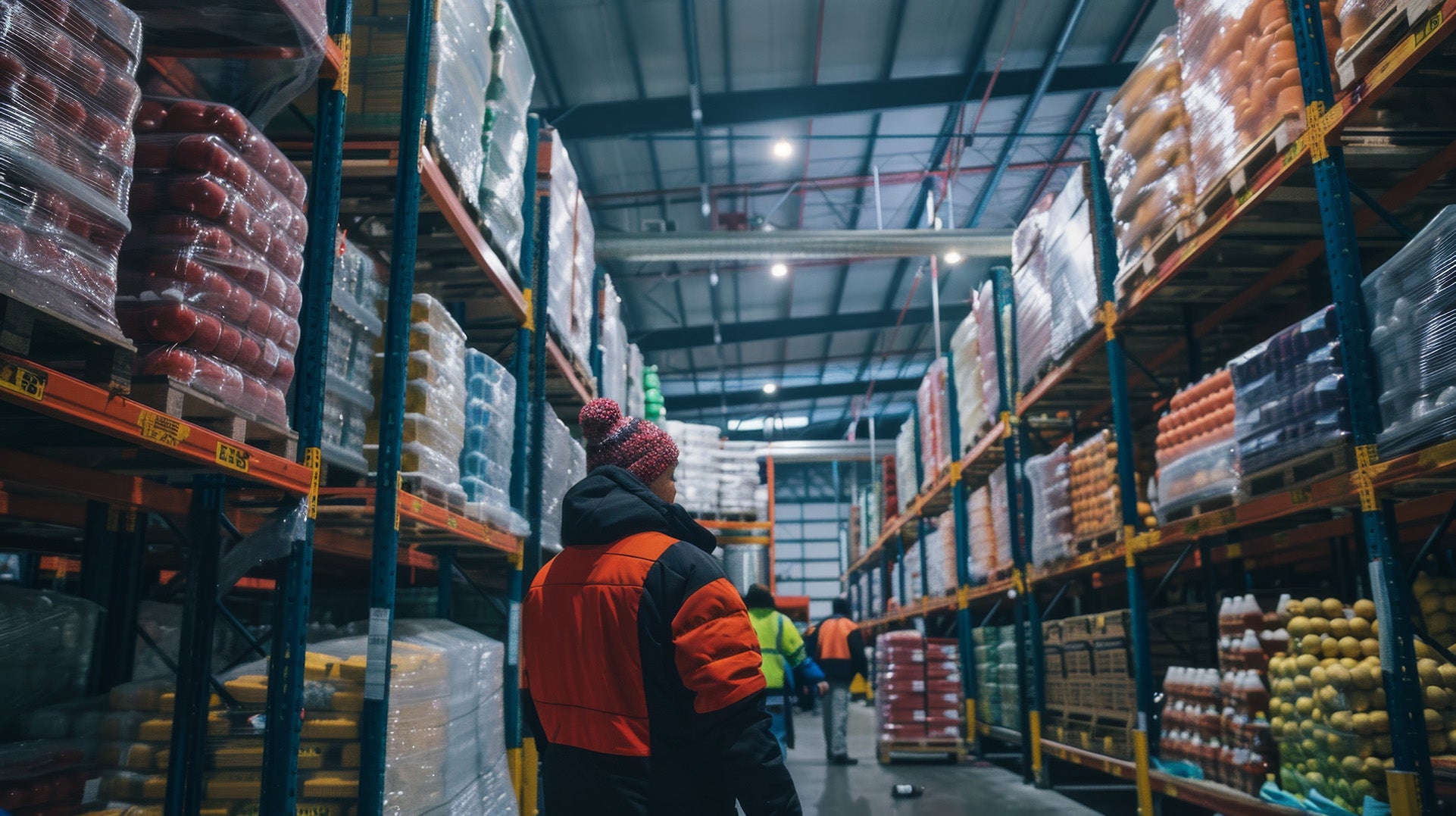
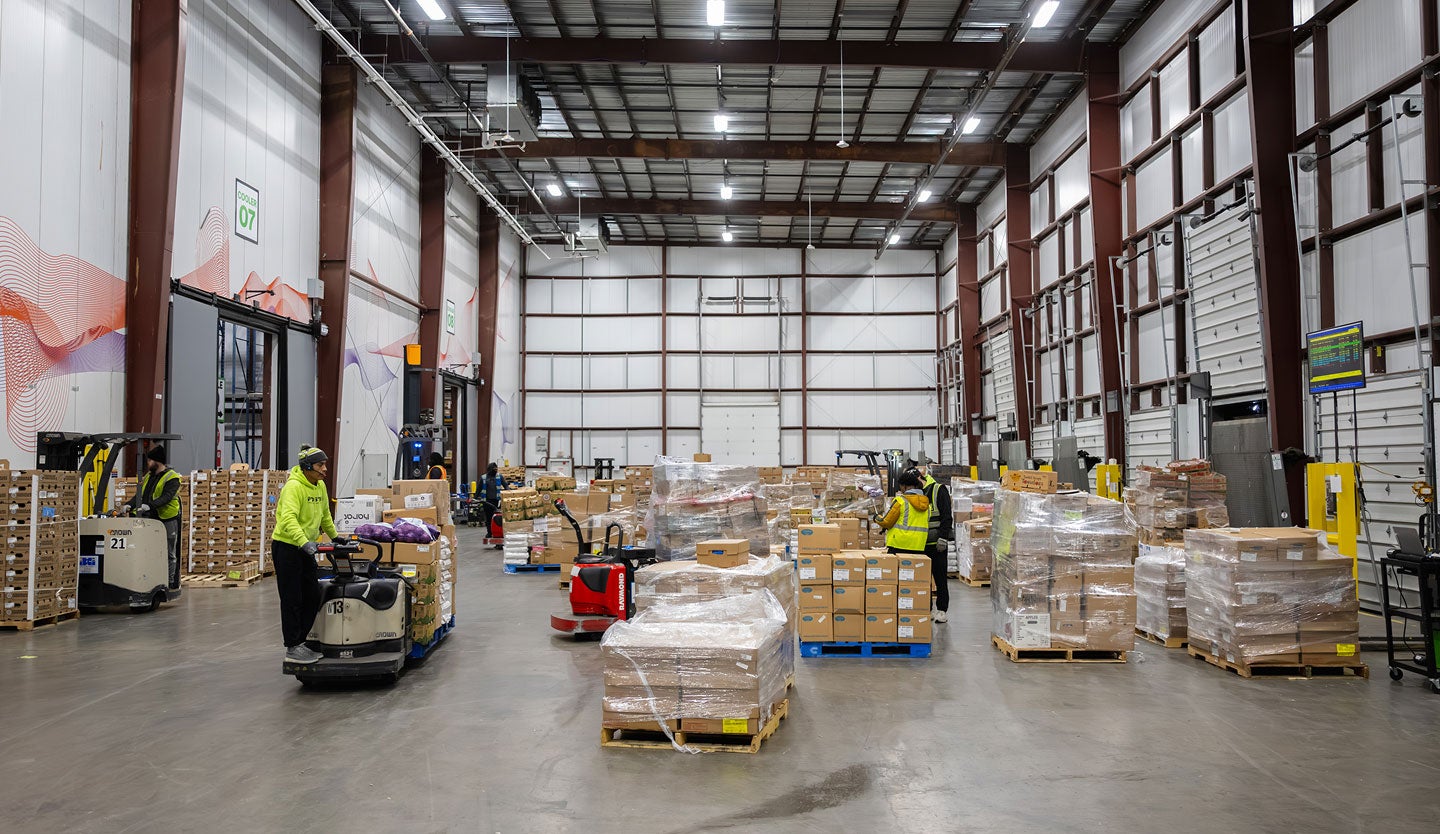
At the heart of any cold chain operation is the physical storage facility. When touring or vetting a refrigerated warehouse, it is vital to look past the square footage and examine the operational precision within the walls. A high-quality cold storage facility is a dynamic environment designed to protect temperature-sensitive goods while moving them efficiently.
Temperature-Controlled and Climate-Controlled Zones
Not all food requires the same environment. Fresh produce distribution demands different humidity and temperature levels than frozen foods or ambient products. An advanced refrigerated warehouse features strictly partitioned temperature zones. This ensures that delicate leafy greens remain crisp, dairy products stay safely chilled without freezing, and frozen goods maintain their solid state.
During your evaluation, ask potential 3PL partners about their climate-monitoring protocols. Do they rely on manual checks, or do they utilize real-time sensors that alert warehouse staff to minute temperature fluctuations? A dedicated logistics provider will have redundancy built into their refrigeration systems, ensuring that even in the event of a power anomaly, the cold chain remains entirely unbroken.
Inventory Management and Order Fulfillment
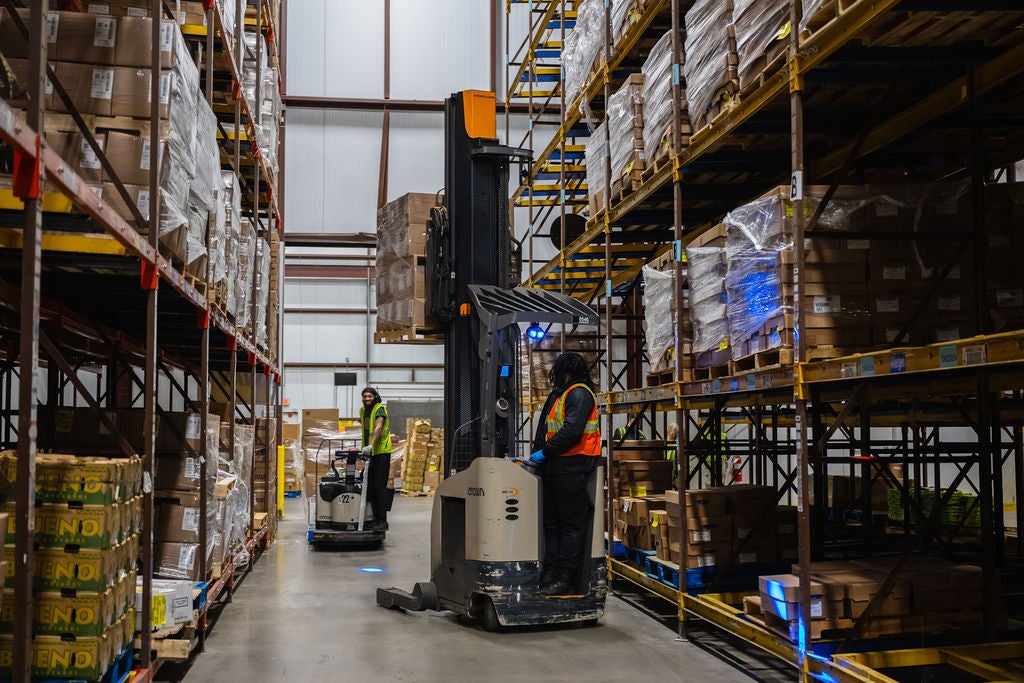
Storing the food is only half the battle; knowing exactly where it is and how quickly it can be mobilized is the other. Effective cold storage warehousing relies on robust inventory management systems. Because food has a strict shelf life, operations must adhere strictly to First-In, First-Out (FIFO) or First-Expired, First-Out (FEFO) principles.
In a fast-paced environment serving independent kitchens, large-scale institutions, and supply chain partners, order fulfillment must be flawlessly executed. This involves strategic racking, careful palletizing to prevent crushing or cross-contamination, and efficient cross-docking capabilities. Cross-docking allows incoming fresh goods to be moved directly from inbound trucks to outbound delivery vehicles with minimal to no storage time, drastically reducing the transit time for highly perishable items.
Connecting the Dots: Refrigerated Freight and Transportation
Even the most advanced cold storage facility is rendered ineffective if the transportation network cannot maintain the same standard of care. Cold food distribution requires a specialized fleet and highly trained professionals behind the wheel. When choosing a supply chain partner, their freight capabilities should carry as much weight as their warehousing infrastructure.
Foster Freight: Reliable Delivery Nationwide
Transportation in the cold chain is about maintaining the environment established in the warehouse while moving at highway speeds. FosterFreight operates as a dedicated refrigerated freight carrier, offering full visibility and reliable delivery nationwide, with particularly deep regional expertise in the Southeast—including North Carolina, South Carolina, Virginia, Tennessee, and Georgia.
Evaluating a freight partner means looking at the equipment they use. State-of-the-art refrigerated containers (reefers) must be equipped with continuous temperature monitoring systems that feed data back to the central logistics hub. If a load of fresh produce is in transit from a local agricultural producer in North Carolina to a distribution center in Virginia, the temperature must be visible and verified in real-time.
The Backbone of the Supply Chain: CDL-A Drivers
You cannot separate the quality of the freight service from the people doing the driving. We know that to feed more than your drive to go further, you have to invest in the people on the road. The most reliable refrigerated freight operations are built on the backs of respected, well-supported CDL-A drivers.
When a 3PL treats its drivers with respect—offering dedicated long-haul routes, no-touch freight options, and a supportive culture—turnover drops and reliability skyrockets. Drivers who know they are valued take ownership of their loads. They understand that they are not just hauling cargo; they are delivering food that communities rely on. When you evaluate a logistics provider, look closely at their fleet and driver retention. A company that takes care of its drivers is a company that will take care of your freight.
High-Tech Meets High-Touch: The Partnership Model
The logistics industry is often obsessed with automation, sometimes at the expense of human connection. While data-driven technology is absolutely essential for modern supply chain solutions, it should never replace a real conversation when a complex problem arises. The ideal 3PL partner offers a customizable model: we’re as high-tech or high-touch as you want to be.
The Human Element
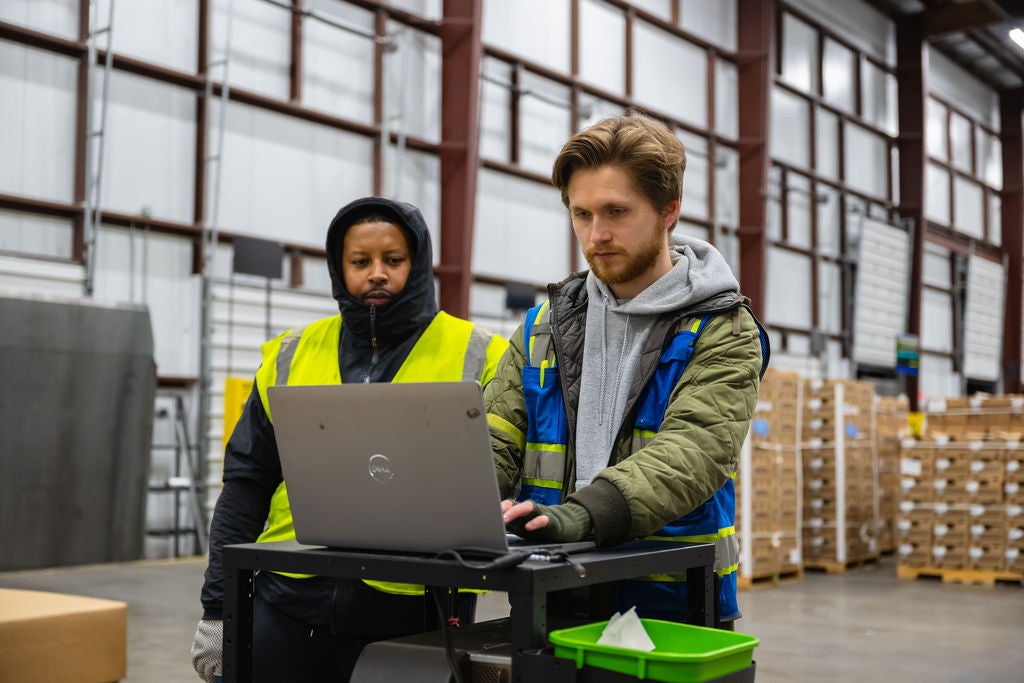
However, high-tech tools are most effective when backed by high-touch service. When supply chain disruptions occur—whether due to severe weather in the Carolinas or unexpected market shifts—an app cannot solve the problem on its own. You need an operational partner who picks up the phone, understands your specific business challenges, and works directly with you to reroute freight or adjust storage strategies. Plainspoken, honest communication is the foundation of a resilient food supply chain.
Deep Roots and Regional Expertise
The United States cold storage landscape varies wildly by region. Logistics operations that work perfectly in the arid Southwest may struggle with the humidity and specific infrastructural challenges of the Southeast. When evaluating a 3PL, regional expertise matters deeply.
With over 120 years of heritage in the food supply chain, our roots in the Southeast are deep. Navigating food distribution in the Carolinas, Virginia, Tennessee, and Georgia requires an intimate understanding of the region’s agricultural rhythms, highway networks, and local regulatory environments.
Local and regional agricultural producers rely on partners who understand harvest schedules and local market demands. By partnering with a 3PL that possesses concentrated regional expertise alongside nationwide freight capabilities, businesses benefit from localized knowledge backed by vast logistical resources. This ensures that whether you are moving fresh produce within a single state or distributing specialized dairy products across multiple borders, the operation is handled with maximum efficiency.
Compliance, Safety, and Food Integrity
There is no room for compromise when it comes to food safety. The regulatory landscape governing cold food distribution is stringent, and rightly so. Your 3PL partner must not only meet these standards but exceed them.
When evaluating a refrigerated warehouse, inquire about their specific protocols for preventing cross-contamination. This is particularly critical in facilities that handle both raw agricultural products and ready-to-eat foods. Strict zoning, dedicated handling equipment, and rigorous sanitation schedules are mandatory.
Furthermore, value-added services such as blast freezing and specialized temperature-sensitive handling demonstrate a high level of operational maturity. A true logistics partner actively protects your brand by ensuring that every pallet leaving their facility complies perfectly with food safety modernization acts and local health regulations. They take on the burden of compliance so that restaurant owners, school administrators, and farmers can focus on their core operations.
A Foundation Built on Community Impact
Ultimately, the food supply chain is about people. It is about the local farmers who grow the food, the drivers who move it, the kitchen staff who prepare it, and the families who eat it. When you choose a supply chain partner, you are also choosing a corporate citizen.
We believe that a successful logistics operation has a fundamental responsibility to the neighborhoods it serves. An efficient supply chain inherently reduces food waste—getting perishable goods to market before they spoil. But true community investment goes further.
A partner with a genuine community-first mindset looks for ways to give back actively. Whether through weekly food donations, building prepackaged food boxes for local nonprofits, or partnering with regional churches and food banks, logistics companies are uniquely positioned to fight food insecurity. When warehouses, freight partners, and distributors work together, they can redirect safe, surplus food directly to the people who need it most.
Choosing a partner with deep community investments means that your supply chain is contributing to the well-being of the region. It reinforces the simple truth that business operations do not exist in a vacuum; they exist within communities.
Making the Right Choice for Your Supply Chain
Evaluating and selecting a 3PL cold storage and refrigerated warehouse partner requires careful consideration of multiple moving parts. It is not enough to simply find a facility with open floor space or a carrier with an available truck. You need a comprehensive, one-stop refrigerated supply chain solution.
As you navigate the United States cold storage network, look for a partner that offers the stability of vertical integration. Look for advanced technology like real-time tracking and automated temperature controls, but insist on the high-touch, human communication that builds lasting trust. Demand excellence in both warehousing and refrigerated freight, and pay attention to how a company treats its CDL-A drivers—because those drivers hold the integrity of your product in their hands.
Above all, choose a partner who understands the profound responsibility of moving food. From the first mile to the last, the middle of the supply chain requires hard work, honesty, and an unwavering commitment to quality. By aligning your business with a logistics provider grounded in community and backed by a century of heritage, you ensure that your products arrive safely, efficiently, and ready to nourish the people who rely on them.
Contact us today to learn more about our cold storage and food distribution solutions.