Cold Storage vs. Frozen Storage: What’s the Difference and Which Does Your Business Need?
Navigating Cold Storage and Food Safety: A Partner’s Guide to Preserving Freshness
The modern food supply chain is a complex ecosystem where timing, temperature, and trust intersect. For over 125 years, the challenges of moving perishable foods and frozen pallet storage from the field to the table have evolved, but the fundamental mission remains unchanged: keeping food fresh, safe, and ready for the communities that rely on it. Moving temperature-sensitive products isn’t just about trucks and warehouses; it’s about building a seamless, vertically integrated partnership. From the first mile to the last, Foster has it under control.
Whether you are managing a multi-unit restaurant chain, directing manufacturing food products, or overseeing regional agricultural yields, understanding the infrastructure behind Foster’s fresh food distribution is critical. Evaluating providers requires a deep dive into the operational realities of cold storage, refrigerated freight, rigorous food safety management systems, and specialized processes, such as ripening. When you understand the science and standards behind a true supply chain solution, you can build partnerships that protect your product and your reputation.
The Core of Refrigerated Food Storage: Beyond Temperature Control
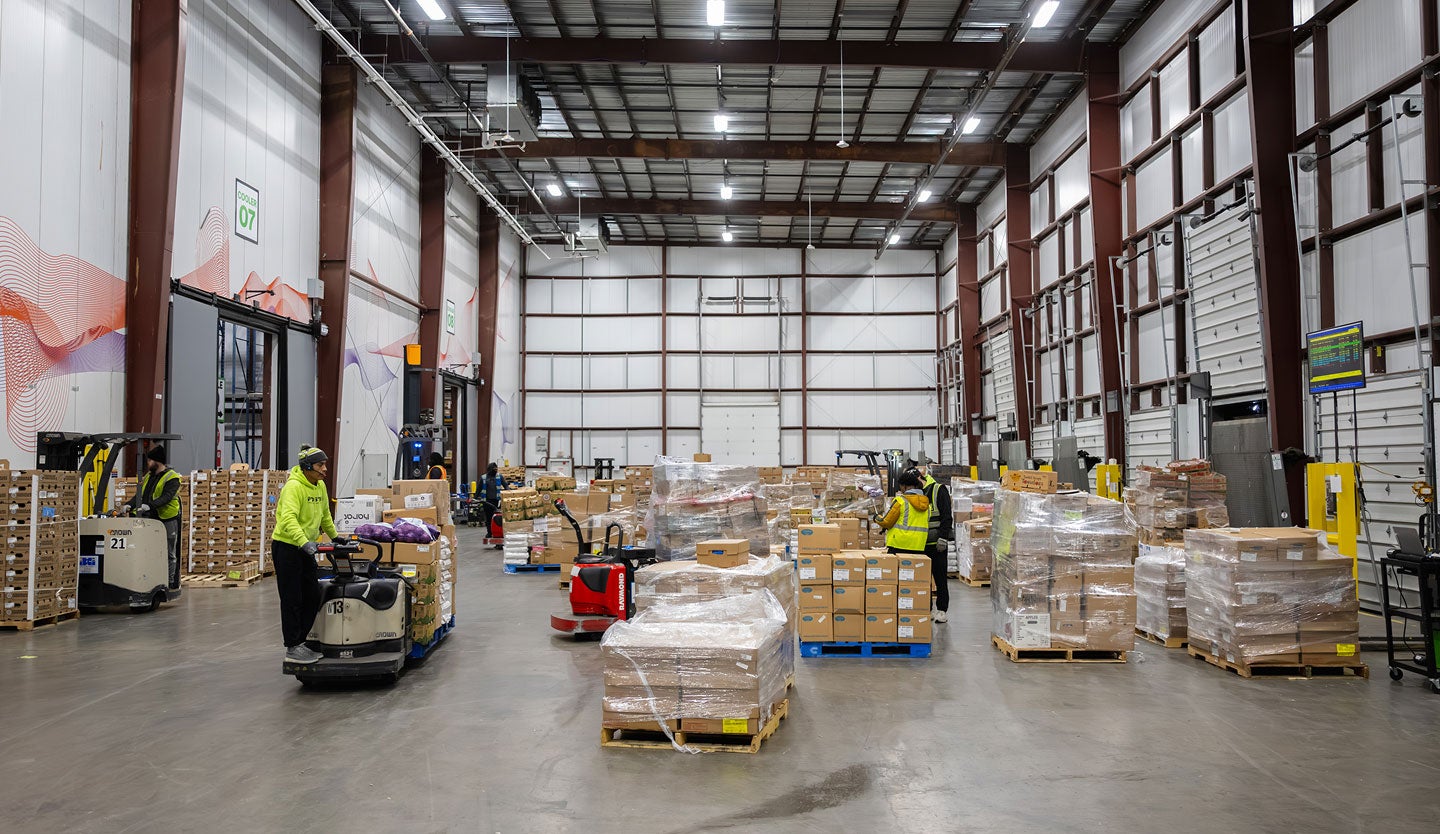
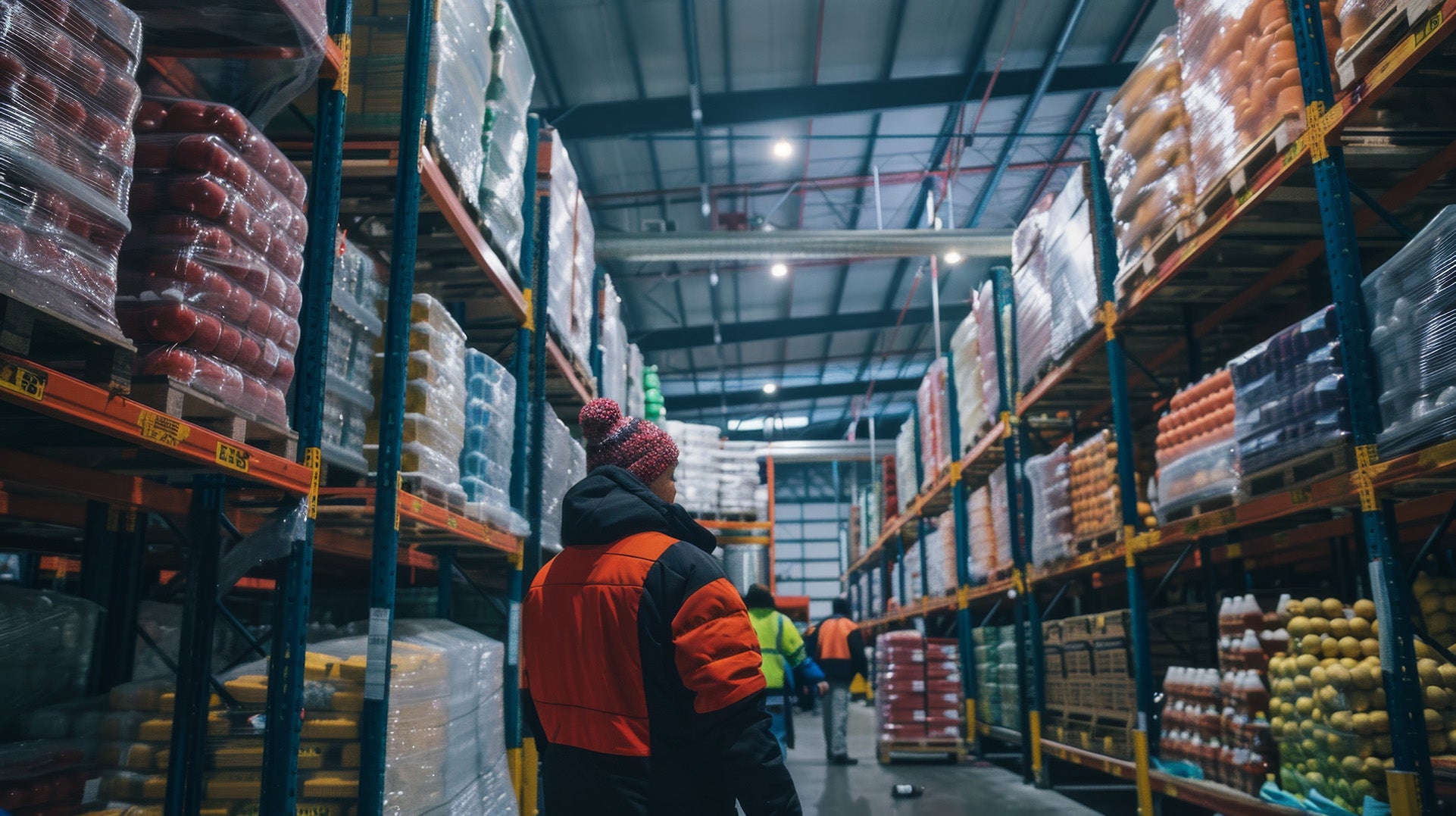
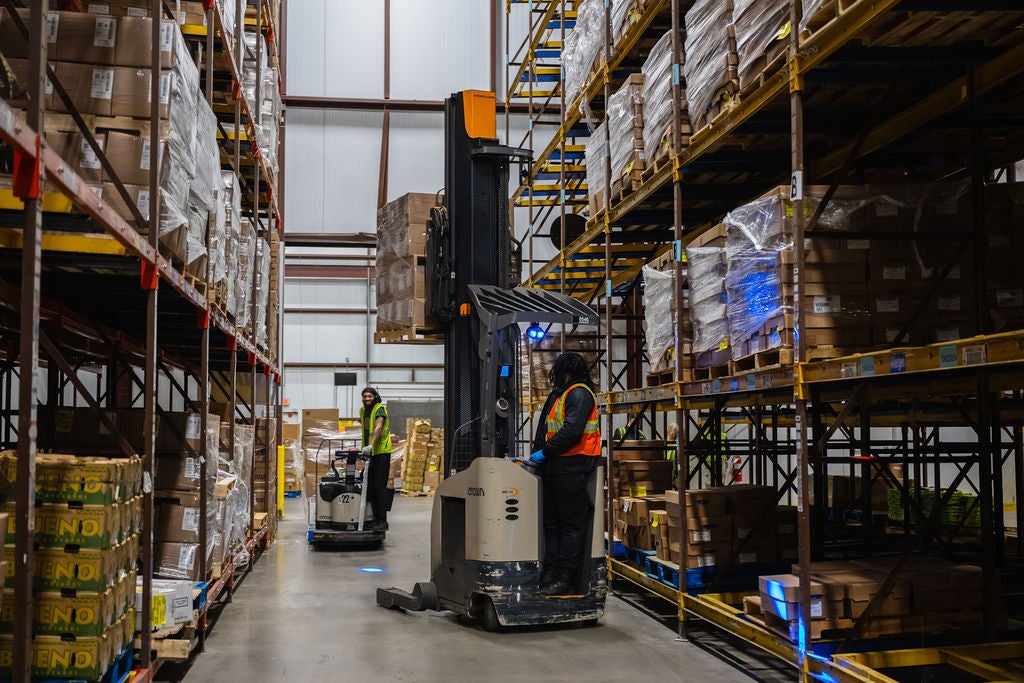
Effective cold food storage goes far beyond simply keeping products chilled. It requires a carefully orchestrated environment designed to maximize shelf life, preserve nutritional integrity, and prevent spoilage. Modern cold storage facilities are divided into specialized, temperature-controlled zones tailored to the exact requirements of different perishable foods. A one-size-fits-all approach to refrigerated food storage inevitably leads to quality degradation.
In a state-of-the-art cold storage warehouse, environmental controls manage both temperature and ethylene levels with exact precision. Fresh produce delivery relies on a variety of different temperature zones to prevent chill damage/over ripening, while dairy and frozen food require entirely different thermal thresholds. The process begins the moment a truck backs into the dock door. To maintain the cold chain, loading docks themselves must be temperature-controlled, ensuring that product is never exposed to external heat or humidity during offloading.
Regional expertise plays a massive role in designing and operating these storage facilities. The climate challenges of the Southeast require robust, high-capacity cooling systems. Navigating food distribution in the Carolinas and Virginia means accounting for hot, humid summers that can compromise temperature-sensitive goods in minutes. A strategic footprint, such as our deep roots in North Carolina, South Carolina, Virginia, Tennessee, and Georgia, ensures that Foster’s frozen storage facilities are positioned to optimize transit times. Whether it is cold storage in NC or localized fresh produce distribution hubs, reducing the miles between the storage warehouse and the final kitchen is a foundational strategy for preserving quality.
Furthermore, dependable 3PL logistics rely heavily on the professionals moving the product. A world-class facility means little without the dedicated individuals executing the daily work. Offering high-quality CDL-A (and non CDL-A) driver jobs with reliable long-haul, regional, and local routes isn’t just about recruitment; it is about retaining the experienced freight partners who treat your food with the respect it deserves. Foster doesn’t work for, we work with. Building strong relationships with drivers ensures that refrigerated freight arrives on time, every time.
Why SQF Certified Food Safe Facilities Matter
When evaluating a partner for your food business, basic cleanliness is not enough. You need guaranteed, documented, and independently verified safety. This is where SQF Certified Food Safe Facilities become a non-negotiable requirement.
What exactly is an SQF certified facility? Safe Quality Food (SQF) is a rigorous, GFSI-recognized (Global Food Safety Initiative) food safety management system. While many operations rely on standard HACCP-based (Hazard Analysis Critical Control Point) plans, SQF certification takes food safety a massive step further. The SQF Food Safety Code requires comprehensive documentation, continuous monitoring, and strict adherence to specific protocols that touch every single process in the facility. It is not just about identifying risks; it is about proving, day in and day out, that those risks are aggressively managed and mitigated.
Maintaining this level of compliance requires a dedicated SQF practitioner on-site to oversee the SQF program. Every pallet of produce, every carton of dairy, and every frozen food item is tracked. If a temperature deviation occurs, the system flags it immediately to prevent non-conformance. This level of traceability is vital for restaurants, fast-casual kitchens, and institutional buyers like government agencies and schools, where food safety carries the highest possible stakes.
Under the rigorous guidelines of the current SQF Code, facilities undergo exhaustive audits to ensure that the infrastructure, staff training, and daily sanitation routines meet global standards. This translates to absolute peace of mind for growers bringing their harvest to market and multi-unit chains scaling their menus. Knowing your product rests in an SQF-certified environment means knowing your brand is protected by the highest food safety standards in the industry.
Perfecting Produce: The Science of the Ripening Center
One of the most complex, value-added services in the fresh produce distribution pipeline is the controlled ripening process. For certain fruits, most notably bananas, avocados, mangos, and tomatoes, the journey from the farm to the fork requires a highly specialized intervention known as a ripening center.
What is a fruit ripening room, and how does ripening work? Often referred to colloquially as a “banana room,” a ripening chamber is a completely sealed, state-of-the-art environment where temperature, humidity, ethylene levels, and airflow are manipulated to bring produce to the exact stage of ripeness required by the end user. When fruit is harvested, it is typically picked green and firm to survive the rigors of refrigerated freight. Once it arrives at a dedicated ripening facility, the pre-cooling phase brings the core temperature of the fruit to a stable baseline.
From there, the natural ripening process is gently accelerated using safe, controlled exposure to ethylene, a natural plant hormone that fruit already produces. A modern ripening system carefully monitors ethylene levels while continuously circulating temperature-controlled air through the specialized boxes and pallets. This prevents the fruit from overheating as it ripens, ensuring uniform color and texture.
For restaurants and independent kitchens, receiving ready-to-eat produce exactly when they need it is a massive operational advantage. A perfectly ripened avocado reduces prep time, minimizes kitchen waste, and guarantees a consistent experience for the guest. By managing this process centrally in a highly controlled ripening center, supply chain partners can dial in the exact specifications a food business needs on any given day.
Vertically Integrated Supply Chain Solutions
Fragmented supply chains create blind spots. When one company handles your refrigerated freight, another manages your cold storage, and a third handles your final-mile produce distribution, the risk of miscommunication and temperature abuse skyrockets. A vertically integrated approach eliminates these vulnerabilities by bringing distribution, freight, cold storage, and supply chain management under one roof.
Through comprehensive solutions like Foster360, partners gain access to a one-stop refrigerated supply chain model that handles warehouse management, freight optimization, inventory mapping, and commodity tracking. This interconnected system ensures that your product is visible and protected at every stage of its journey. With FosterFreight operating as a dedicated refrigerated freight carrier, you gain full visibility and reliable nationwide delivery, backed by a legacy of regional expertise.
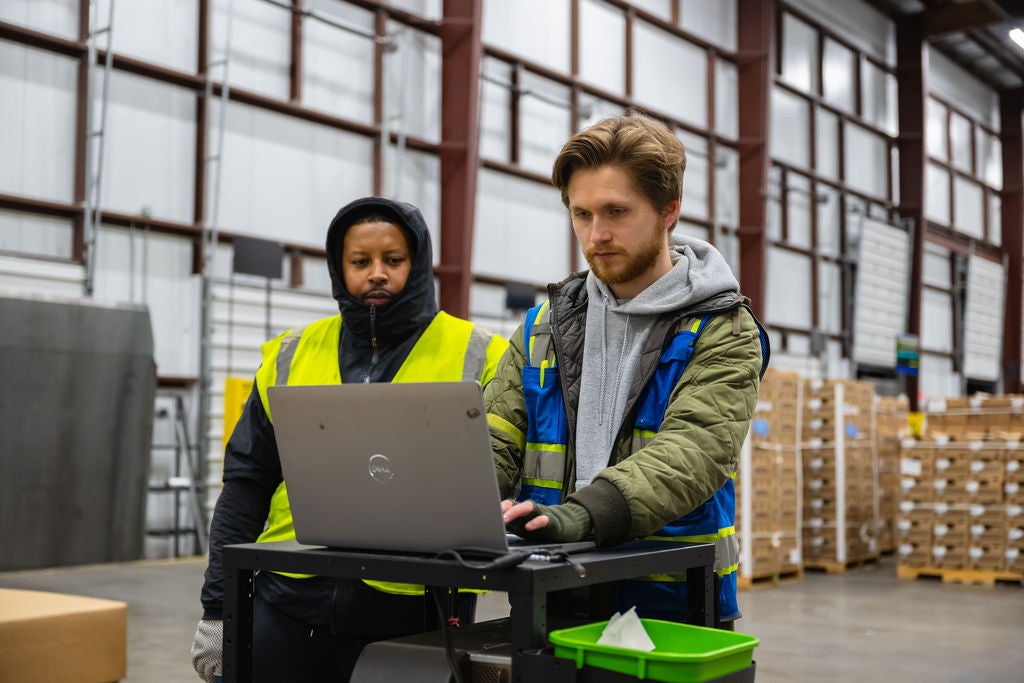
Technology bridges the gap between the warehouse floor and the customer’s desk. Foster is powered by Produce Pro, which includes a customer facing App that provides real-time order management and tracking, giving you complete oversight of your inventory. But technology should enhance relationships, not replace them. We’re as high-tech or high-touch as you want to be. Whether you prefer automated digital tracking or a phone call with a dedicated logistics expert who knows your account inside and out, the partnership adapts to your specific operational style. An in-this-together mentality is foundational to who we are, ensuring that the technology always serves the shared goal of getting fresh food where it needs to go.
Community First: Keeping Food Moving and Feeding Neighborhoods
Ultimately, the logistics of cold storage, the rigor of SQF certification, and the science of the ripening center all serve a profoundly human purpose. Food is meant to nourish. When supply chains operate efficiently, communities thrive. But the responsibility of a food distribution partner extends beyond the loading dock.
Deep community investment is woven into the fabric of a truly responsible supply chain. This means actively working to eliminate food waste while addressing local food insecurity. Through weekly food donations and the distribution of prepackaged food boxes for local nonprofits, churches, and food banks, we ensure that the bounty of our local and regional agricultural producers reaches the tables of those who need it most.
It takes hard work to build a 125-year legacy in the food industry. It takes honesty, a grounded perspective, and a refusal to cut corners. We believe you should feed more than your drive to go further. By treating every farmer, driver, warehouse worker, and chef as an essential part of the same ecosystem, we build stronger local economies across the Southeast.
When you strip away the complex logistics and the state-of-the-art facilities, the mission is incredibly simple. People. Food. Together. By demanding excellence in cold storage and food safety, you ensure that this mission continues, delivering quality and care to every plate.
Contact us today to learn more about our cold storage and food distribution solutions.