What to Look For in a Cold Storage Facility for Fresh Food Distribution
Choosing a partner for temperature-controlled warehousing touches every metric that matters: product quality, speed to shelf, and total cost-to-serve. For teams evaluating a cold storage facility for fresh food distribution, the signal is clear—prioritize precise temperature management, proven food safety, and logistics that move at your market’s pace.
At Foster, we believe a cold storage should be a calibrated environment, not just a refrigerated box. Below is a breakdown of what sets our flexible, premium operation apart from other standard “commodity” warehouses.
Precision Environments: 10 Distinct Temperature Zones
Standard facilities often co-mingle products, but different commodities require specific, tight tolerances to slow respiration and extend shelf life. Foster maintains 10 distinct temperature zones to match your specific commodity profiles:
- Refrigerated: Precision-zoned for various produce types, dairy, and ready-to-eat items.
- Frozen: Ideal for all frozen goods, including proteins (meats/seafood), produce, and prepared meals or ingredients.
- Ambient: Optimized for dry consumables, paper and plastics, packaging, and kitchenware.
- Convertible Flexibility: Our 170,000 sq. ft. Winston-Salem HQ and regional hubs offer convertible refrigerated, frozen, or dry space to align with seasonal SKU shifts.
Advanced Air Quality & Smart Airflow
We treat the air itself as a tool for preservation. To eliminate “temperature spotting” and layering, we utilize smart anti-stratification technology to ensure consistent conditions from floor to ceiling.
Beyond cooling, our facilities utilize advanced air ionization and bacterial scrubbing. This 24/7, chemical-free process continuously neutralizes bacteria, mold, odors, and ethylene gas. For our partners, this delivers:
- Extended Shelf Life: Dramatically reduced spoilage and fewer inventory losses.
- Improved Food Safety: Continuous purification that targets pathogens without added labor.
- Lower Costs: Reduced energy bills through more efficient refrigeration.
This process cuts product spoilage by 15–30% while extending shelf life and reducing energy costs for our customers.
The Ripening Advantage: Retail-Ready Precision
One of the most critical “value-adds” in our cold chain is the ability to manage product maturity. Foster offers specialized ripening services designed to bring fruit to the perfect stage for retail or food service.
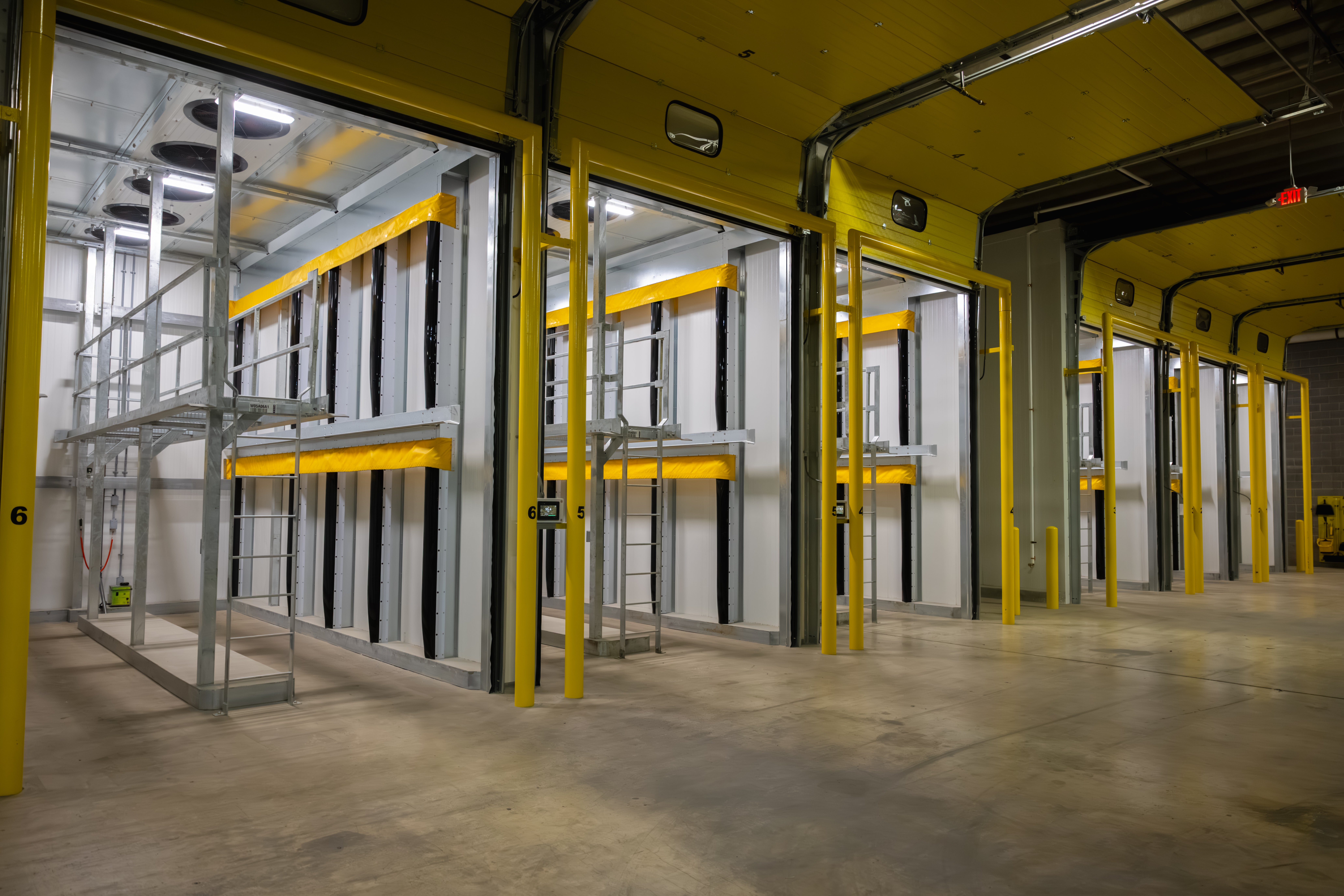
By utilizing atmospheric controls and expert oversight, we ensure your produce reaches the shelf at peak quality. This “one-roof” approach—combining storage with ripening—eliminates extra transport legs, reduces bruising from over-handling, and ensures your product is ready to go, when you need it.
People and Performance: Specialized Food Handling
The human element is a major differentiator. Our team brings hundreds of years of combined food handling experience, ensuring every product is managed with precision. With a legacy of 125 years as a dependable link in the supply chain, we provide high-touch oversight that the average operator cannot match. This includes the specialized ability to inspect, rework, and recondition products to ensure they meet retail standards.
Infrastructure Efficiency: Cross-Docking and Secure
Our facilities are engineered to remove unnecessary expense from the system:
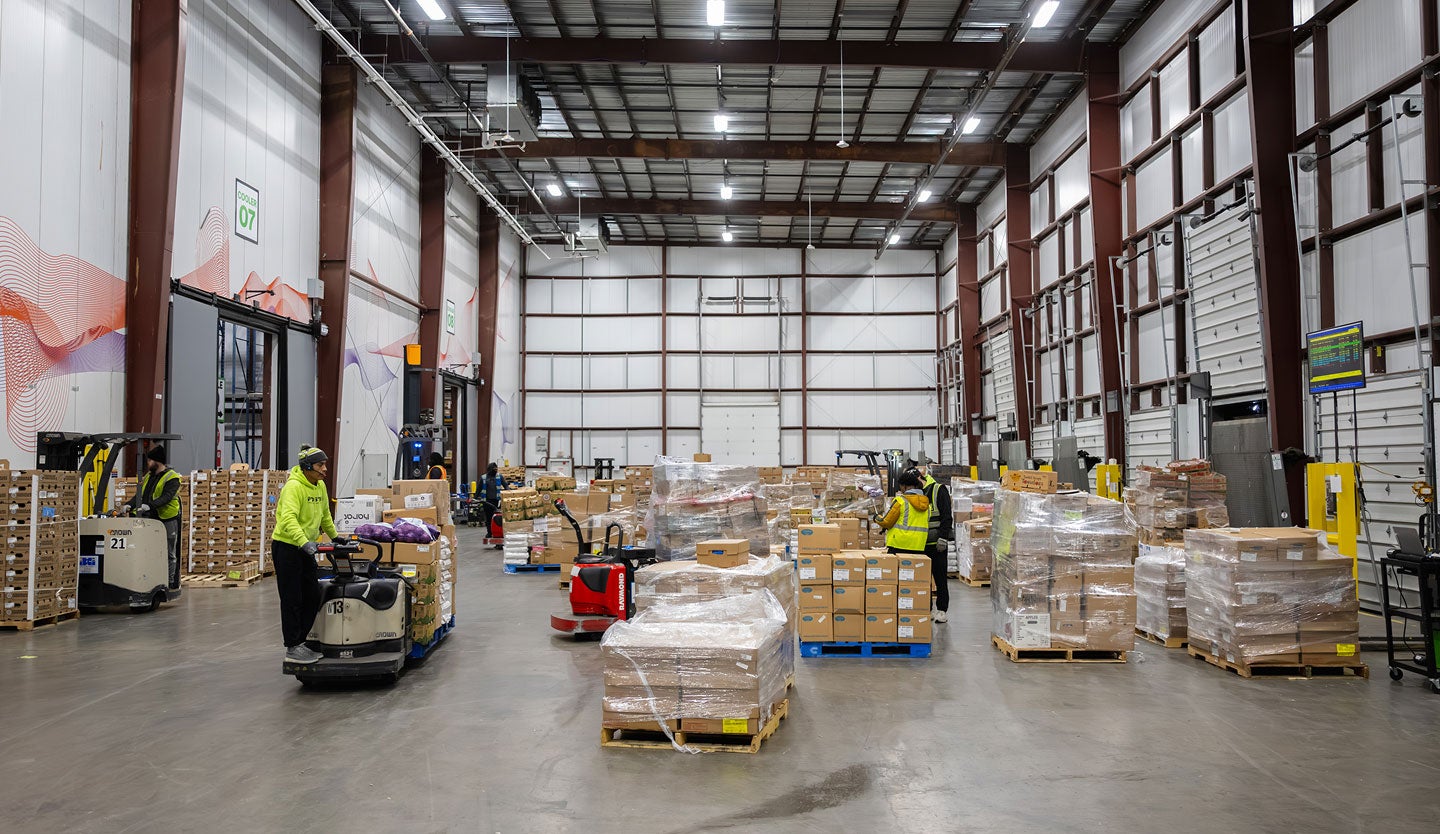
- Cross-Docking Efficiency: Our warehouse leverages cross-dock lanes to limit dwell, and insulated staging to maintain integrity during transfers. Helping to prevent shrink and recall risk for our customers.
- Secure Loading: Dock shelters and seals, separate refrigerated and ambient docks. Automatic dock levelers and integrated stop/go controls allow for safer, more efficient loading while helping minimize product damage.
- Regional Powerhouse: Strategically located near major corridors (I-40, I-77, I-285) and major airports like PTI (24 mins), CLT (1.5 hrs), and RDU (1.5 hrs) to slash transit times.
Compliance and Visibility
Food safety is our foundation. Foster maintains rigorous adherence to FSMA and CGMP principles. Our facilities are SQF Certified, USDA Certified, and Organic Certified to provide assurance for sensitive product lines.
Inventory control is powered by a robust WMS that delivers 100% inventory accuracy for many customers, ensuring absolute visibility, enforced FIFO, and full lot traceability. All monitoring is cloud-based and digital, providing real-time data both in the building and on the truck.
How Foster Compares
When choosing a partner, use this table to see the difference between a standard operator and the Foster standard.
| Feature | Standard Cold Storage | The Foster Advantage |
| Air Quality | Basic Ventilation | Ionization & Bacterial Scrubbing ✅ |
| Ripening Services | None (Storage Only) | Expert Ripening for Retail Readiness ✅ |
| Temperature Consistency | Potential “Hot Spots” | Smart Anti-Stratification Airflow ✅ |
| Handling Expertise | General Labor | 125 Years of Food Handling History ✅ |
| Value-Added Services | Storage Only | Expert Inspection, Repacking, & Ripening ✅ |
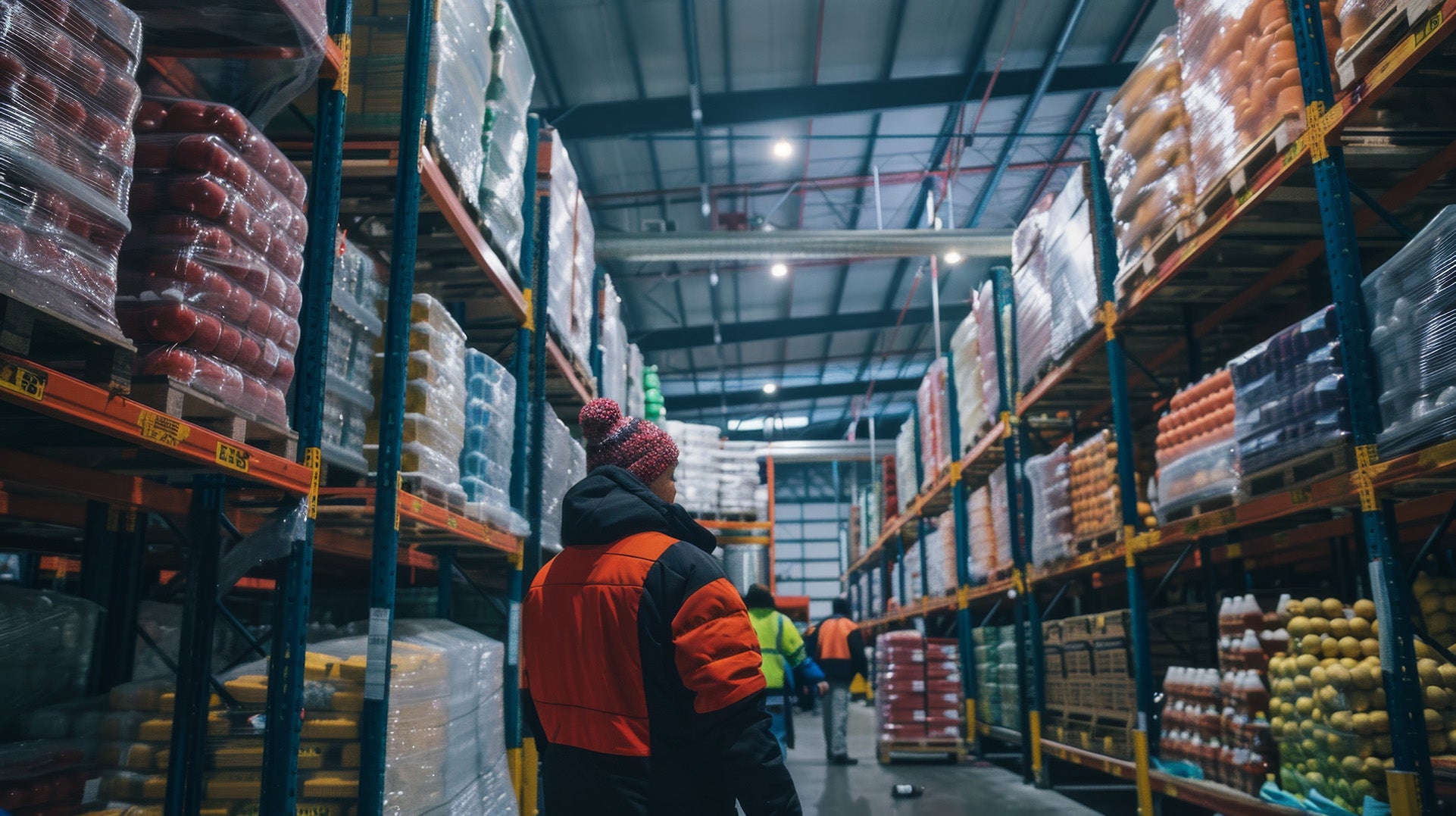
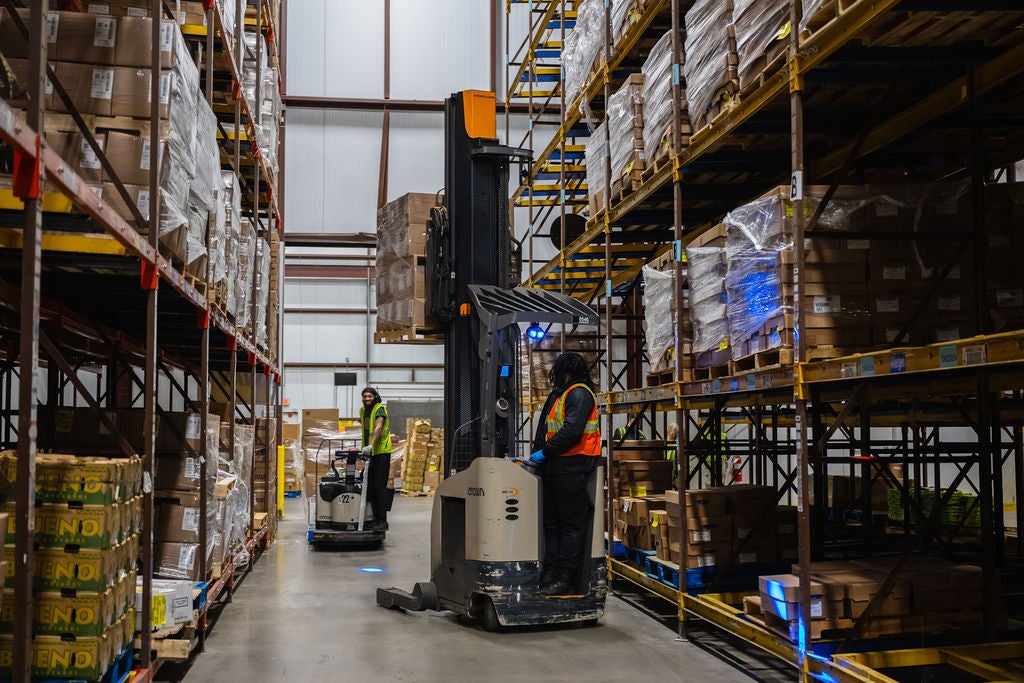
| Vertical Efficiency | Standard Heights | 44’ Clear Height (Lower System Costs) ✅ |
| Safety Tech | Manual Docks | Automatic Levelers & Stop/Go Controls ✅ |
| Monitoring | Paper / Manual Logs | 24/7 Cloud-Based Digital Tracking ✅ |
| Certifications | Basic FDA | SQF, USDA, & Organic Certified ✅ |
| Inventory Integrity | Standard Errors | 99.9% Accuracy via Robust WMS ✅ |
Why Partner with Foster
Foster partners with fresh food suppliers to deliver measurable results—such as our “one-roof” approach that helped one center reduce product shrink by 87%. We combine industry-leading technology with a 125-year legacy of dependability to protect your product and your bottom line.
We’ve got the middle, and your back. Contact us today to learn more.